Tired of your CPAP? You have options.
The mask leaks. The hose tangles. Your mouth is dry, and the machine hums all night, so it ends up on the nightstand again. If that sounds familiar, you are not alone, and CPAP is not the only way to treat sleep apnea. Tell us what isn’t working and we’ll connect you with a sleep provider near you to talk through alternatives.
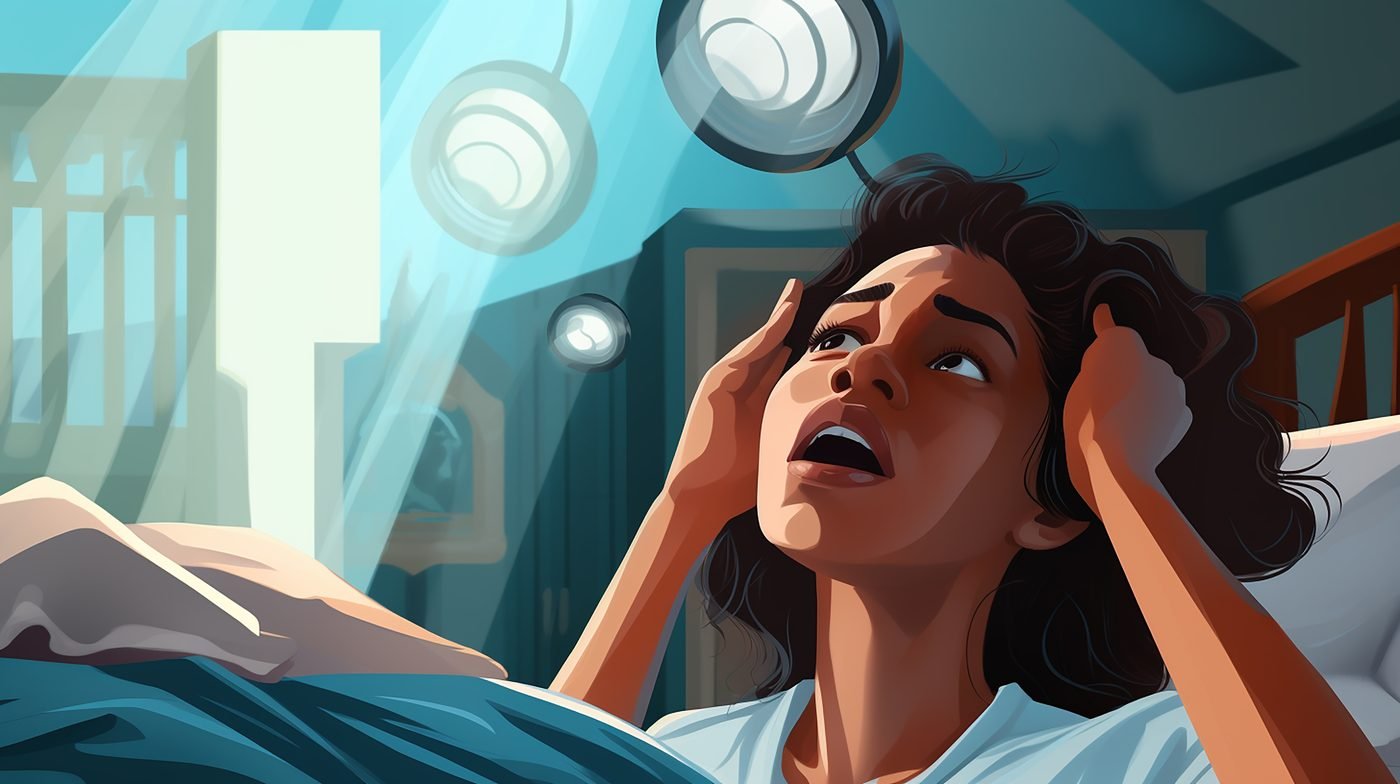
If you can’t stand your CPAP, it isn’t a personal failing
CPAP works well for people who can wear it every night. Plenty of people can’t, for reasons that are very ordinary. Here are the ones we hear about most.
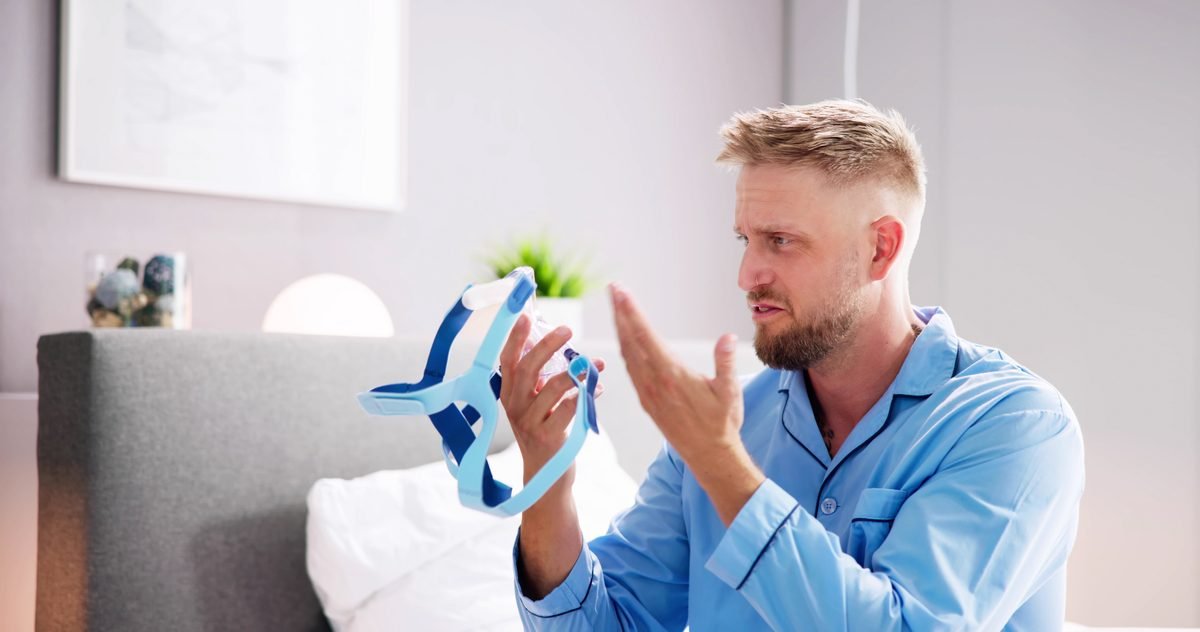
The mask leaks
Air escapes around the seal, wakes you up, and sometimes blows in your eyes.
The hose gets in the way
It tangles, tugs the mask loose, and makes it hard to roll over.
Dry mouth and nose
Waking up parched or congested, even with a humidifier.
The hum
A steady motor sound that bothers you, your partner, or both.
It's a hassle to travel with
Power cords, distilled water, and one more bag to carry.
You can't fall asleep wearing it
Straps, pressure, and a mask on your face make it hard to relax.
What you can ask a sleep provider about
The right choice depends on your diagnosis, how severe your sleep apnea is, and your anatomy. This is a starting point for the conversation, not a recommendation.
Weight, sleep position, and lifestyle changes can also play a role. Oral appliances are FDA-cleared devices that must be prescribed and fitted by a qualified provider.
From “I’m done” to a real conversation in three steps
Tell us what’s not working
Answer a few quick questions and share your contact details. It takes about a minute.
We connect you with a nearby sleep provider
A provider in our network near your ZIP code reaches out to answer your questions and offer a consultation.
You decide what happens next
The provider reviews your diagnosis and history, explains the options that may fit, and checks your insurance benefits. There’s no pressure to book.
See what your options could be
Four quick questions, then your contact details. Free, with no obligation.
Straight answers before you start
Is it safe to stop using my CPAP?
Please don't stop on your own. Untreated sleep apnea can affect your health, so the goal is to switch to something that works for you, not to go without treatment. Talk with your doctor or a sleep provider first. They can confirm what is right for your diagnosis and severity.
Do I need a sleep apnea diagnosis to get matched?
Not to submit the form. Most treatment options, though, require a diagnosis, often from a sleep study. If you already have CPAP, you likely have one. A provider can explain what records they need.
Is an oral appliance as effective as CPAP?
It depends on the person. CPAP is generally considered the most effective first-line therapy. Custom oral appliances are an accepted option for many people with mild to moderate sleep apnea, and for some people with severe sleep apnea who cannot tolerate CPAP. A sleep provider can tell you which category you fall into.
Will my insurance cover a CPAP alternative?
Coverage varies by plan and by treatment. Some plans cover certain alternatives under medical benefits, often with requirements such as a documented diagnosis. The provider you speak with can check your specific benefits. We can't promise coverage.
What does it cost to use this service?
Nothing. Submitting the form is free, and there's no obligation to book anything. Participating providers may pay to be listed, which is how this site is funded. Your choice of treatment is between you and your provider.
What happens after I submit the form?
A provider in our network near your ZIP code will contact you by phone, text, or email, depending on what you agreed to, to answer questions and offer a consultation. You can say no at any point.
Ready to stop dreading bedtime?
It takes about a minute, costs nothing, and you can walk away at any point.
Find options near me